Drama therapy
Sometimes talking
is only the beginning.
Creative approaches can help you explore an experience from a different angle—and practice what a new response might feel like.
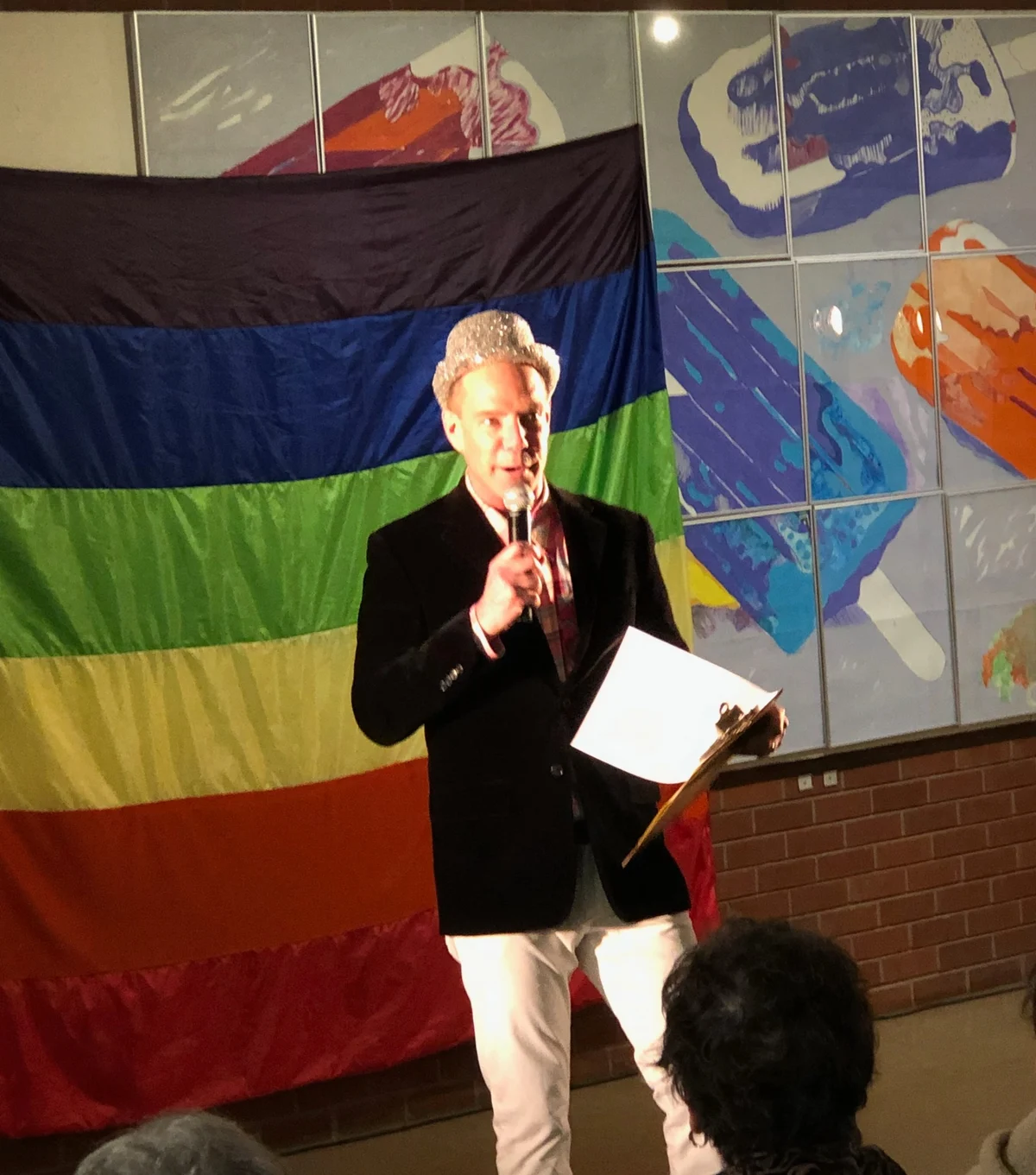
No acting experience is necessary.
Drama therapy is not about putting on a performance. It uses elements such as role work, storytelling, imagination, improvisation, and perspective taking to support therapeutic goals.
You don’t need to be outgoing, theatrical, or especially “creative.” We decide together whether an exercise would be useful. You can ask questions, adapt it, or choose another way of working.
Improvisation as a life skill
Improvisation is a life skill: it helps us listen, stay present, and respond flexibly when things don’t go as planned. Through drama therapy, we can practice meeting uncertainty with curiosity, adapting to change, and discovering new possibilities in everyday situations.
What might it look like?
Rehearse a conversation.
Try saying what you need to say to someone important, notice what gets in the way, and experiment with another approach.
Explore a familiar role.
Consider a role you often find yourself in—such as the peacemaker or the person who handles everything—and explore other possibilities.
Try another perspective.
Use an imagined scene or a story to consider an experience with a little more distance, curiosity, or flexibility.
One part of an integrative practice.
As a Registered Drama Therapist (RDT), I bring creative and experiential tools into psychotherapy when they fit your needs. They can complement conversation, CBT and DBT-informed skills, and relational work.